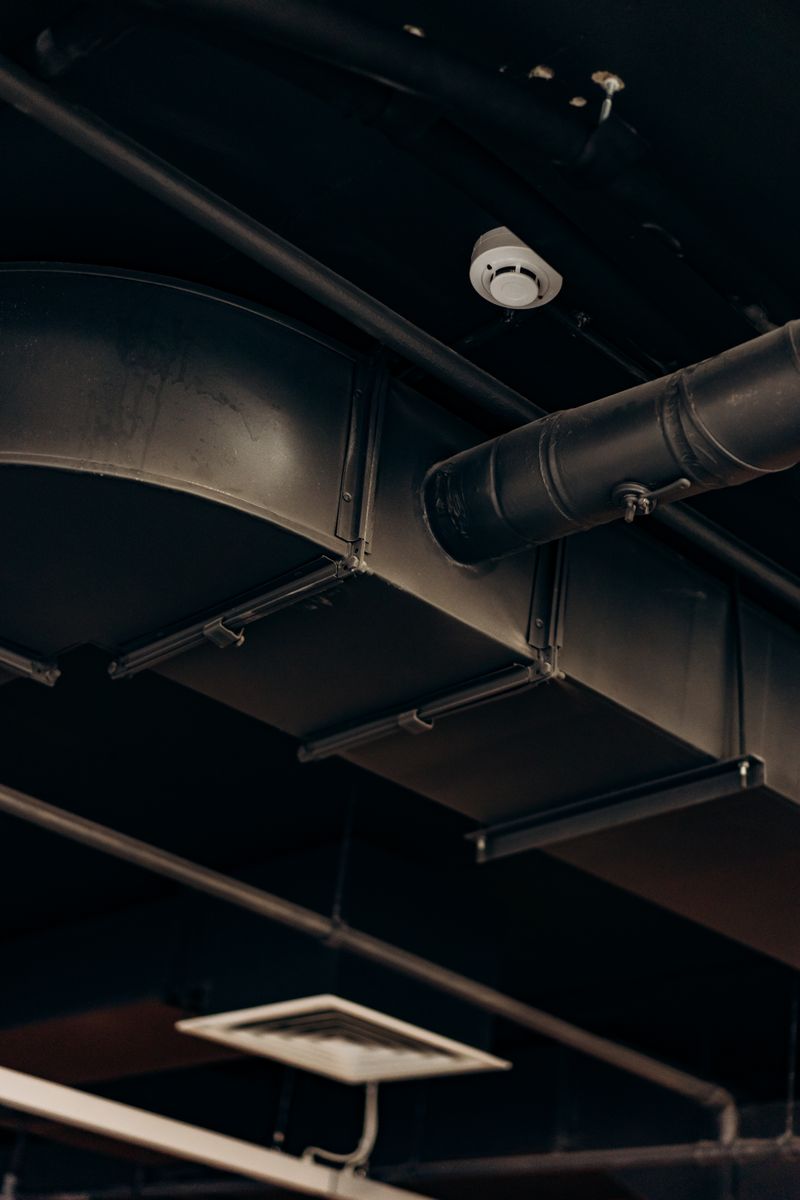
Where Mold Comes From in Ducts
Mold needs moisture, warmth, and a food source — and a warm, humid duct is all three. The usual culprits in Miami: condensation on cold duct surfaces, high indoor humidity, a clogged condensate drain that backs up, and dust that builds up inside the ductwork as a food source.
Signs You May Have Duct Mold
- A musty or earthy smell when the AC runs.
- Visible dark, spotty growth at vents, registers, or access panels.
- Worsening allergies, sneezing, or respiratory irritation at home.
- Visible moisture or condensation on ductwork.
If you see or smell signs of mold, don't ignore it — but don't panic either. A professional inspection tells you whether it's actual growth or just harmless dust.
Prevention Steps That Actually Work
- Manage humidity. Keep indoor humidity between roughly 40–55%. A dehumidifier in humid months protects both ducts and comfort.
- Change filters regularly. Dirty filters let dust collect in ducts, giving mold a food source.
- Keep condensate drains clear. A backed-up drain finds the easiest overflow path — often into your ductwork.
- Fix condensation issues. Insulate cold duct surfaces and seal leaks that let humid air in.
- Schedule professional duct treatment. Anti-microbial treatment cleans and coats surfaces to resist regrowth.
- Package A (essential cleaning): $89.99
- Package B (deep clean + anti-microbial treatment): $189.99
- Fair-Play economy service: $69.99
- Freon top-up: $15.99 per can
We'll inspect first and tell you honestly what's needed — and what isn't.
When to Call a Professional
If you see visible mold, smell mustiness, or have respiratory symptoms tied to your AC, don't DIY the inside of your ducts. Professional cleaning reaches where you can't, handles the treatment safely, and coats surfaces to slow regrowth.
Frequently Asked Questions
Some people react strongly to it, especially those with allergies or asthma. Not every homeowner is affected, but it's always worth addressing rather than ignoring.
No — in South Florida's climate, prevention is about managing conditions, not eliminating the risk forever. Regular cleaning and humidity control keep it at bay.